

Pellet Grill Packaging Requirements for OEM Orders: A Buyer’s Transit-Test Checklist

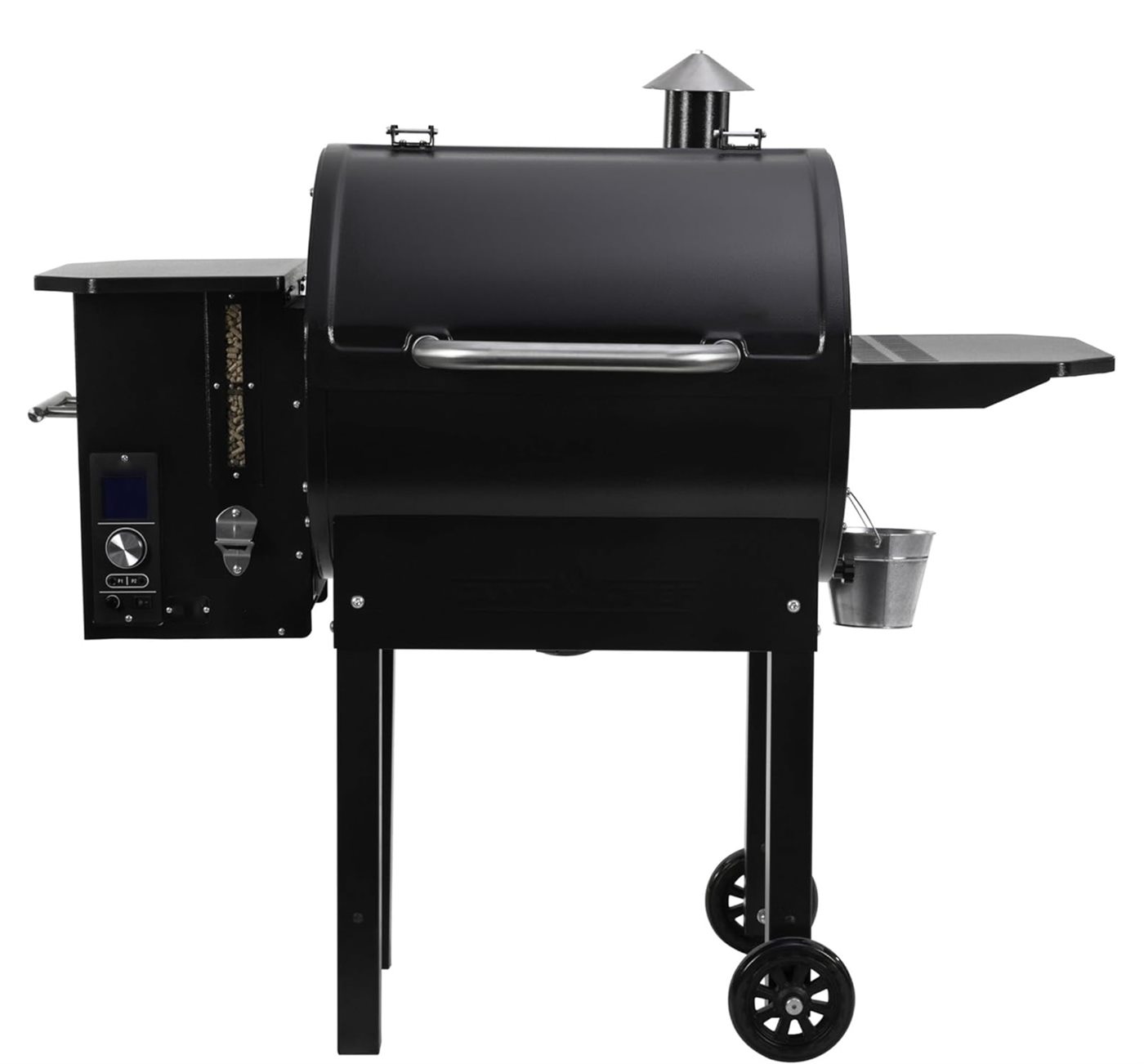
Pellet grill packaging requirements should be agreed before an OEM order reaches mass production. A strong grill can still arrive with a dented hopper, scratched coating, bent shelf, damaged controller, or loose wheel if the pack-out does not match the real distribution route.
For importers, distributors, and private-label brands, packaging is therefore part of product quality rather than a final shipping task. This guide explains how to define a practical packaging specification, choose an appropriate transit-test approach, and approve evidence before shipment. Buyers comparing product formats can also review AO YUE’s pellet grill range before preparing an RFQ.
Why Packaging Requirements Belong in the OEM RFQ
If packaging is discussed only after the product sample is approved, the supplier may have little time to redesign inserts, reinforce the carton, or repeat testing. Late changes can also alter carton dimensions, container loading quantity, and landed cost.
Add packaging requirements to the RFQ beside the product specification. State the destination market, expected sales channel, handling method, pallet policy, labeling rules, and acceptable cosmetic condition. These details allow the manufacturer to quote the product and its distribution-ready pack-out together. They also support the wider supplier review described in our pellet grill manufacturer evaluation checklist.
Define the Distribution Route Before Selecting a Test
There is no single transit test for every pellet grill. The correct approach depends on package weight, dimensions, handling equipment, shipment configuration, carrier network, and final delivery channel. Buyers should map the route before naming a protocol.
Parcel delivery
A compact grill shipped as an individual package may face repeated manual handling, drops, vibration, and compression. ISTA identifies Procedure 3A as a general simulation for packaged products moving through a parcel delivery system. However, the current procedure, package limits, and carrier requirements must be checked before it is written into a purchase specification.
LTL and palletized freight
Larger grills may move by less-than-truckload freight, on mixed loads, or as unitized pallet loads. ISTA guidance distinguishes LTL procedures from tests for unitized loads of similar retail packages. For example, ISTA 3B and 3E address different distribution configurations. A buyer should ask a qualified packaging engineer or laboratory to confirm the applicable procedure instead of selecting one from the product name alone.
ASTM D4169 provides another framework for evaluating shipping units through a sequence of anticipated distribution hazards. It does not replace a material specification or a customer-specific preshipment requirement. The purchase order should identify the agreed standard, revision, distribution cycle or test procedure, assurance level where applicable, and pass criteria.
Identify Pellet Grill Packaging Failure Points
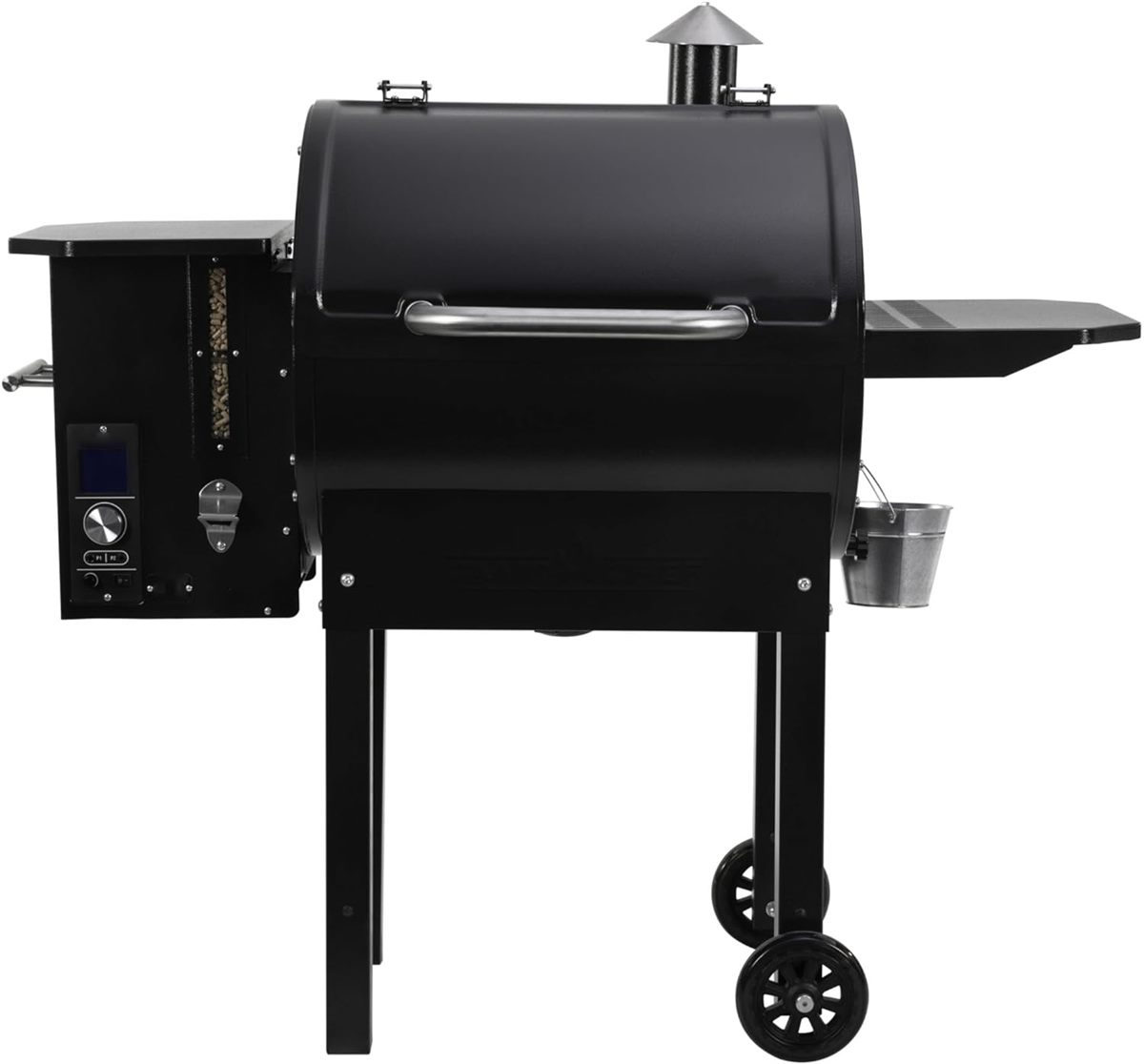
A pellet grill combines a heavy steel body with projecting and appearance-sensitive components. Packaging development should review each contact point rather than protect only the main cooking chamber.
- Hopper and controller: prevent impact transfer to the control housing, wiring, display, and mounting points.
- Side shelves, handles, and chimney: confirm whether these parts ship assembled or separately, and prevent leverage during a drop or side impact.
- Legs, wheels, and fasteners: stop loose components from moving inside the carton and scratching coated panels.
- Lid and cooking chamber: control metal-to-metal contact and verify that the lid cannot open during handling.
- Powder-coated surfaces: use clean, compatible protection materials and define acceptable cosmetic condition before testing.
What Pellet Grill Packaging Requirements Should Include
A useful specification is measurable. Phrases such as “strong export carton” or “good foam” are too vague for inspection. Instead, request a controlled pack-out document with drawings, materials, dimensions, and revision status.
Pack-out drawing and bill of materials
The drawing should show the orientation of the grill body, accessories, hardware, manuals, and removable components. The packaging bill of materials should identify the carton, inserts, bags, protective sheets, straps, corner protection, pallet, and other agreed materials. Any material restriction for the destination market should also be recorded.
Protection and fixation
Define how heavy components are supported and how clearance is maintained around vulnerable surfaces. Confirm that accessories cannot migrate into the controller, hopper, lid, or coated panels. If parts are removed for shipping, the assembly sequence and hardware identification should be clear to the end user.
Carton, pallet, and markings
Record the finished carton dimensions and gross weight, closure method, pallet pattern, stack height, and load restraint. Shipping marks, handling symbols, barcode placement, country-of-origin information, and retailer labels should be approved from artwork rather than assumed. Container-loading calculations should use the final packed dimensions, not the bare product dimensions.
These pellet grill packaging requirements should remain linked to the approved product revision. If the controller, shelf, wheel, carton, or internal support changes, the buyer and supplier should review whether revalidation is necessary.
Set Pass and Fail Criteria Before Transit Testing
ISTA recommends defining product damage tolerance and package degradation allowance before a test begins. This prevents a subjective decision after the sample has already been tested. For a pellet grill, the criteria may cover structural function, electrical operation, component retention, coating condition, carton integrity, label readability, and assembly completeness.
Separate product-development trials from a formal validation test. During development, the team may open the package between test blocks to locate a failure. For a final pass/fail evaluation or certification, the relevant procedure may require the packaged product to remain unopened until the sequence is complete. Record any deviation because it can change how the result should be interpreted.
The tested sample must match the approved product and packaging revision. A report for an earlier carton, different grill weight, or alternative insert design does not automatically validate the production pack-out.
Evidence to Request Before Mass Production

Before authorizing production, request evidence that can be traced to the approved specification:
- dated photos of the complete pack-out and each protection layer;
- the packaging drawing and bill of materials with revision numbers;
- packed dimensions, gross weight, and pallet configuration;
- the test procedure, revision, laboratory, sample identity, and full result;
- before-and-after photos and a record of any corrective action;
- a packaging inspection checklist for production lots.
For a representative product format, see this wood pellet grill smoker with digital controls. Its hopper, controller, shelves, wheels, and coated surfaces illustrate why packaging must be based on the actual configuration.
Pellet Grill Packaging Approval Checklist
- Confirm the destination, sales channel, carrier route, and handling method.
- Approve the finished product specification before final packaging validation.
- Review the pack-out drawing, materials, dimensions, weight, labels, and pallet plan.
- Define functional, structural, and cosmetic pass criteria in writing.
- Select the test with a qualified laboratory based on the actual distribution system.
- Test a sample that matches the production product and packaging revision.
- Close corrective actions and repeat validation when a significant design change occurs.
- Add packaging checkpoints to the production inspection plan.
Plan Packaging Before Your Next OEM Order
When pellet grill packaging requirements are approved as a controlled system, product geometry, protection materials, carton design, pallet configuration, distribution hazards, and acceptance criteria work together. Buyers who approve that system before mass production are better positioned to compare quotations and prevent avoidable disputes.
AO YUE supports OEM and ODM discussions for BBQ and outdoor heating products. Learn more about our manufacturing background, or send your target market, product configuration, delivery channel, and packaging requirements for a project review.
