

How to Evaluate a Pellet Grill Manufacturer for OEM Orders

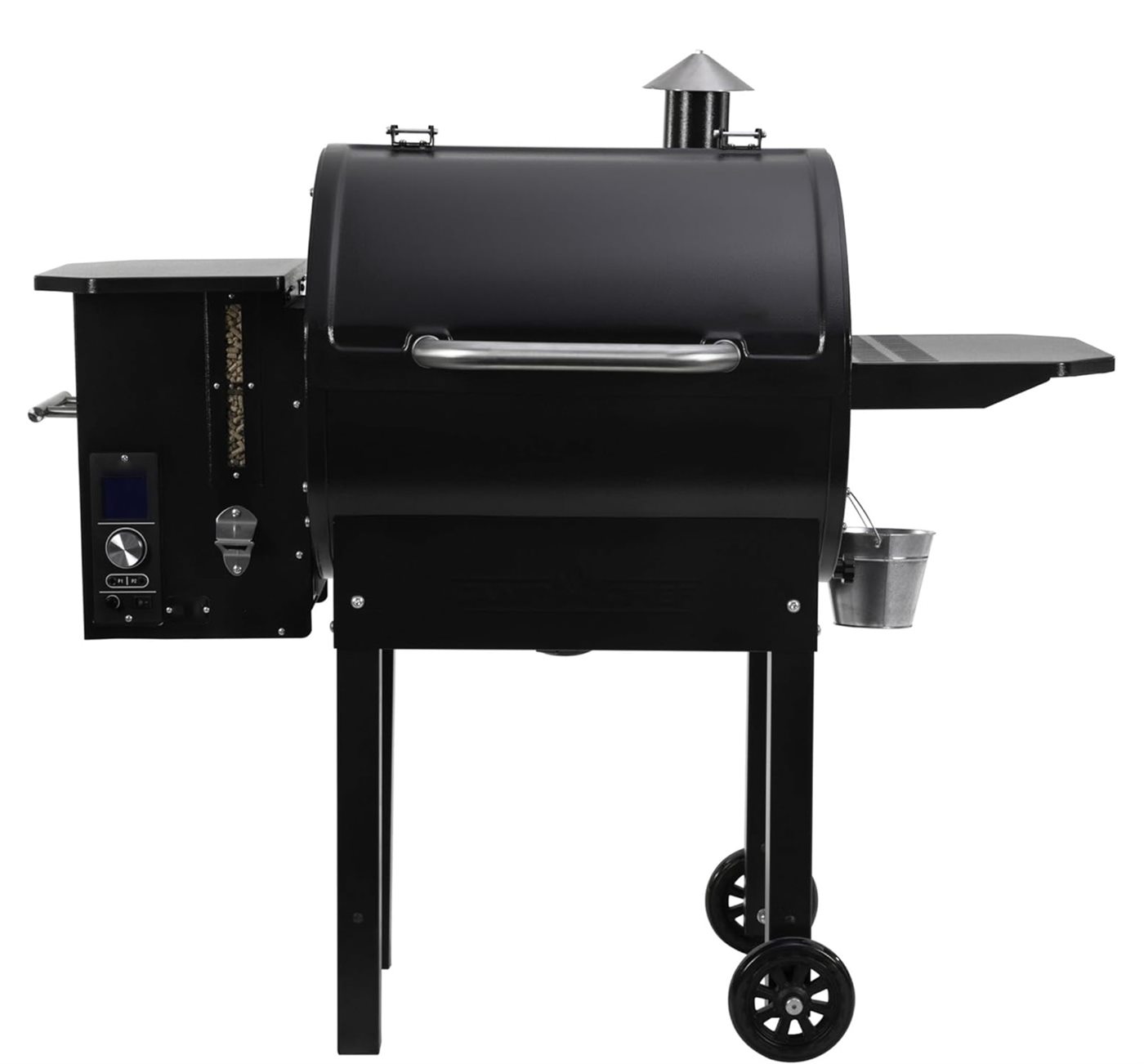
Choosing a pellet grill manufacturer is not simply a price comparison. For importers, distributors, private-label brands, and retail programs, the supplier must turn a product specification into consistent production. The same factory must also support documentation, packaging, delivery planning, and corrective action when a problem appears.
Seasonality makes that decision more important. Google Trends has reported that grilling-related searches rise during the US summer. However, Trends data is normalized on a 0-100 scale and does not represent absolute search volume. The practical lesson for a buyer is an inference: supplier qualification, samples, certification planning, and packaging approval should begin well before the target retail season.
1. Define the Product and Target Market First
A reliable quotation starts with a controlled specification. Before contacting factories, define the target market, retail position, expected annual volume, preferred cooking area, controller functions, voltage, plug, packaging method, and mandatory accessories. Clarify whether you need an existing ODM platform, cosmetic private labeling, or a new OEM design.
Also separate mandatory requirements from optional features. For example, a Wi-Fi controller, dual meat probes, folding shelves, an ash cleanout system, or a larger hopper may improve the offer. Nevertheless, each feature can affect cost, testing, tooling, assembly time, and failure risk. A clear priority list helps the manufacturer quote comparable options instead of guessing.
Buyers can review AO YUE’s pellet grill product range to compare available formats before preparing an inquiry.
2. Verify Compliance for the Destination Market
Do not treat a generic certificate logo as proof that a final product is compliant. Ask which exact model, components, voltage, report number, and production site are covered. Then confirm whether changing a controller, motor, power supply, or construction detail requires additional evaluation.
For North American pellet-fuel cooking appliances, UL 2728A is a relevant reference for design, construction, and performance. In the European Union, electrical configurations may also fall within rules such as the Low Voltage Directive and the EMC Directive, depending on the equipment and its rated voltage. Because the applicable route depends on the final configuration and market, buyers should confirm it with their importer, legal adviser, or accredited test laboratory.
A useful compliance file may include model identification, construction drawings, bills of materials, critical component records, labels, user manuals, risk assessments, and applicable test reports. Request these items early. Compliance work added after mass production can create expensive changes.
3. Audit the Critical Pellet System Components
A pellet grill combines combustion, fuel delivery, airflow, electrical control, and mechanical construction. Therefore, a cosmetic inspection alone is not enough. Review the controller, temperature sensor, auger motor, ignition rod, combustion fan, fire pot, hopper, wiring, grounding, grease management, lid fit, and coating system.
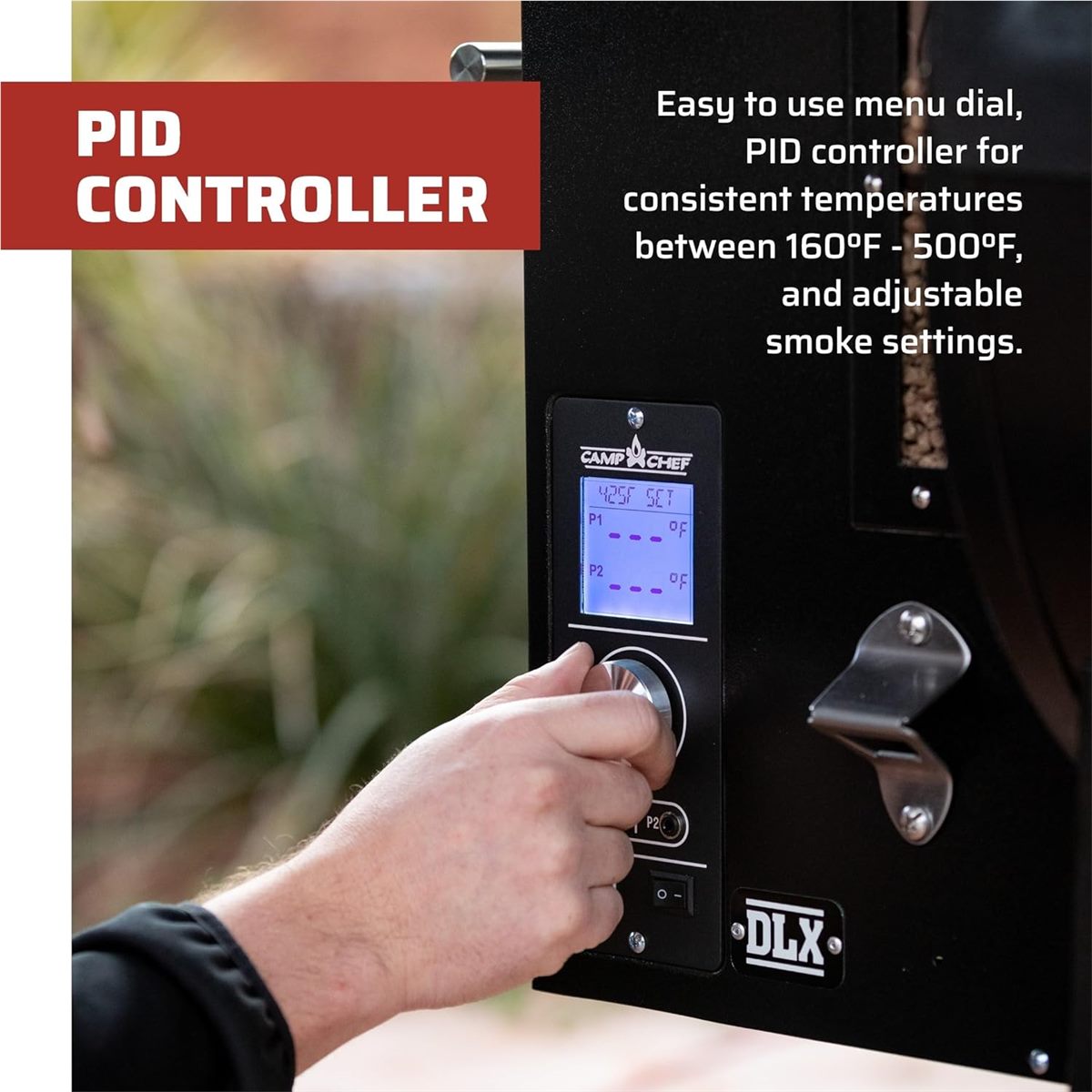
Ask the supplier how critical components are approved and whether substitutions require buyer authorization. A lower-cost replacement may fit physically while changing temperature stability, electrical performance, noise, or service life. The bill of materials should identify the components that cannot change without written approval.
Questions to Ask About Component Control
- Which parts are produced in-house, and which are purchased?
- How are incoming motors, controllers, sensors, and power components inspected?
- Is there traceability by component lot and finished-product batch?
- What happens when a nominated component becomes unavailable?
- Can the supplier provide spare-parts planning for the expected sales period?
4. Evaluate the Factory’s Quality-Control Process
Quality control should be visible at several stages, not limited to a final carton check. A practical plan covers incoming materials, sheet-metal and welding operations, coating, assembly, electrical checks, functional burn testing, appearance, packaging, and pre-shipment inspection.
Ask for the inspection criteria and the record used at each stage. For example, the factory should define how it checks dimensions, fastener torque, wiring connections, moving parts, temperature sensing, auger operation, ignition, fan operation, coating appearance, label placement, and package contents. The exact tests will vary by model, so the agreed inspection plan should be tied to the approved specification.

During a factory audit, follow one product from materials to packed unit. This reveals whether documents match actual practice. It also helps buyers understand rework control, nonconforming-product handling, calibration, and batch traceability.
5. Use Samples to Confirm Performance and Assembly
A sample is more than a sales display. Create a written sample-approval checklist and test the unit under realistic conditions. Review assembly time, instruction clarity, ignition, temperature response, smoke leakage, pellet feeding, shutdown behavior, grease drainage, cleaning access, stability, surface temperature risks, and packaging protection.
Record every approved change. Photographs and chat messages are useful, but they should not replace a signed specification, final artwork, packaging file, and approved sample record. After approval, identify a golden sample that production and inspection teams can reference.
For a closer view of common product features, see this wood pellet grill smoker with digital controls and the related outdoor pellet grill model.
6. Confirm Capacity, Lead Time, and Change Control
Quoted lead time is meaningful only when its starting point is defined. Ask whether the schedule begins after deposit, artwork approval, component confirmation, or final sample approval. Then map the critical path for controllers, motors, packaging, testing, production, inspection, and shipping.
Request realistic capacity for your exact product family, not only total factory output. Also discuss peak-season loading, minimum order quantity, mixed-container options, pilot orders, spare parts, and the process for engineering changes. A controlled pilot run can expose assembly and packaging issues before a large order.
7. Compare Total Supply Risk, Not Only Unit Price
When comparing each pellet grill manufacturer, remember that the lowest quotation may exclude testing, stronger packaging, spare parts, inspection, tooling maintenance, or component controls. Build a comparison sheet that normalizes what each quote includes. Consider landed cost, expected defect handling, warranty exposure, documentation effort, and delay risk.
Commercial terms should also define the warranty process, response times, evidence required for claims, replacement-part supply, and responsibility for approved changes. A good manufacturer does not promise that problems never occur. Instead, it shows how problems are contained, investigated, corrected, and prevented from recurring.
Pellet Grill Manufacturer Evaluation Checklist
- Write the target-market and product specification.
- Confirm which compliance requirements apply to the final configuration.
- Review critical-component approval and substitution control.
- Audit inspection records, traceability, and corrective-action methods.
- Test and document a production-representative sample.
- Confirm capacity, seasonal loading, lead-time assumptions, and packaging.
- Compare total supply risk and after-sales support, not only price.
Build a More Reliable OEM Pellet Grill Program
A strong pellet grill manufacturer selection combines product engineering, compliance planning, process control, and clear commercial communication. Use the checklist above to compare suppliers with the same evidence. Then retain the approved specification, sample, artwork, inspection plan, and change history as the control file for every order.
AO YUE supports international buyers developing outdoor cooking product ranges. To discuss a private-label or OEM pellet grill project, contact the AO YUE team with your destination market, target features, expected quantity, and required delivery window.
Sources and Method Note
- Google Trends, US Summer Trends: used as a seasonality signal for grilling interest.
- Google Trends data FAQ: explains normalized, relative trend values.
- UL Solutions overview of UL 2728A: reference for pellet-fuel cooking appliances.
- EU Low Voltage Directive 2014/35/EU and EU EMC Directive overview: official regulatory context for applicable electrical equipment.
This article is a procurement checklist, not legal or certification advice. Requirements must be confirmed for the final product, rated voltage, destination market, and sales channel.
