

BBQ Grill Container Loading Plan: A Practical Guide for Importers


A reliable BBQ grill container loading plan starts with approved carton data, not a generic container calculator. Importers need to know what will be packed, how each carton can be oriented, where mixed SKUs will sit and which evidence will be released before the container leaves the factory.
This guide explains the checks that belong between packaging approval and freight booking. It deliberately avoids a universal “units per container” figure. That number can only be confirmed for a specific model, carton, pack-out, container and shipping route.
Lock the Shipping Inputs Before Calculating Quantity
Begin with the final sales SKU and factory model. Then obtain the approved outer-carton length, width and height, carton gross weight, carton quantity, pack-out drawing and permitted loading orientations. Dimensions taken from an early sample are not enough if the production packaging later changes.
Confirm whether accessories, manuals, covers and spare parts travel inside the main carton or as separate packages. Pallets, slip sheets, corner boards, dunnage and moisture-control materials also consume space and add mass. A buyer should therefore freeze these inputs in the same approval process used for OEM grill packaging requirements.
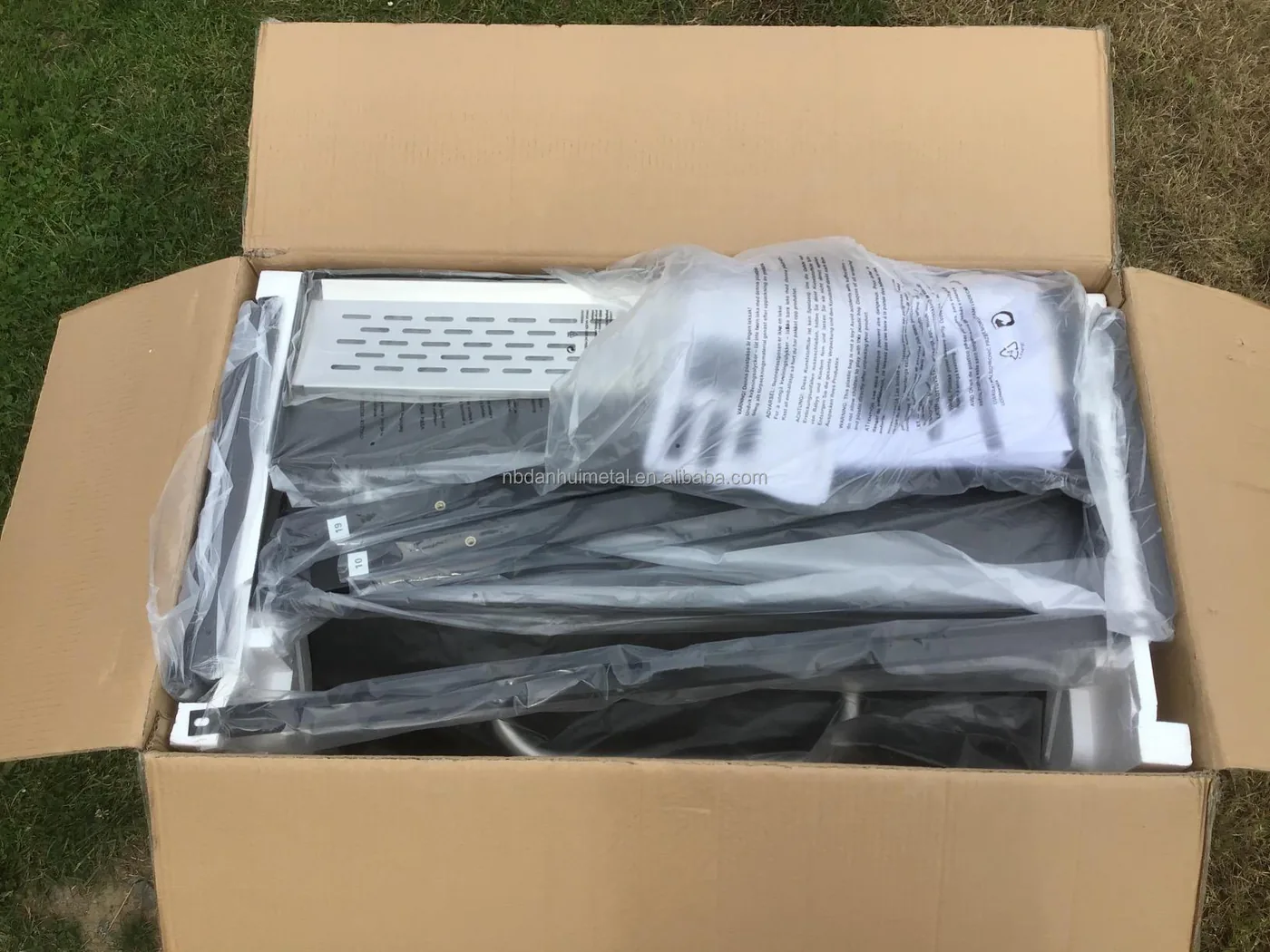
Calculate Carton CBM Without Treating It as Final Capacity
For dimensions measured in metres, the theoretical carton volume is:
Carton CBM = length × width × height
If dimensions are recorded in centimetres, multiply length, width and height, then divide by 1,000,000. Multiply the result by the planned number of cartons to estimate cargo volume. Keep the unrounded carton dimensions in the working sheet so repeated rounding does not distort a large order.
This calculation is only the starting point. A container is not a perfect empty cube. Door clearance, internal protrusions, carton orientation, stack strength, mixed carton sizes and securing materials reduce practical utilization. Theoretical CBM divided by carton CBM must never be presented as a guaranteed loading quantity.
Compare the Container Options Carefully
Common dry-cargo choices include 20-foot dry, 40-foot dry and 40-foot high-cube equipment. A high-cube container may provide more internal volume, but volume is only one limit. The selected equipment must also satisfy payload, floor loading, door opening and route-specific restrictions.
Container specifications can vary by equipment provider. Check the actual carrier specification and booking confirmation instead of copying one online dimension table into every purchase order. Maersk, for example, lists several dry-container types and advises customers to use the specifications for the booked equipment.
A useful comparison sheet records the proposed container type, carrier reference, usable dimensions, payload limit, expected cargo mass, dunnage and securing mass, and the remaining margin. The final decision should be reviewed by the freight forwarder or carrier for the intended route.
Build a Mixed-SKU Loading Plan
Mixed-SKU orders need a carton-level plan. List every SKU, carton dimensions, gross weight, quantity and unloading priority. Give each carton type a colour or code on the loading diagram. This makes the plan easier to compare with warehouse staging and the final packing list.
Place heavier or structurally stronger packages where the approved plan requires them. Avoid loading arrangements that crush light cartons or concentrate mass in one area. The unloading sequence also matters: goods needed first at the destination should not be trapped behind unrelated cartons unless the buyer accepts that sequence.
Mixed loads should be dry-run with scaled carton blocks or loading software before booking. However, software output remains a proposal until the factory confirms real pack-out dimensions and the logistics team confirms the equipment constraints.
Secure Grill Cartons Inside the Cargo Transport Unit
The IMO/ILO/UNECE Code of Practice for Packing of Cargo Transport Units explains that cargo should be packed and secured against movement during transport. Depending on the load, the plan may use blocking, bracing, lashing, anti-slip material or void filling. The method must suit the packages and must not damage the cartons or overload the container structure.
Inspect the container before loading. Record its apparent condition, cleanliness, dryness, door operation and any visible damage. During loading, photograph the first rows, intermediate stages, securing arrangement and final door area. These images support the shipment file, but they do not replace a competent securing plan.
Packaging quality remains part of load safety. Importers can connect loading checks to the agreed BBQ grill pre-shipment inspection plan so damaged, wet or incorrectly labelled cartons are contained before stuffing.
Confirm Weight and Verified Gross Mass Responsibilities
Carton gross weights should come from approved packaging data and production checks. Compare the calculated cargo mass with the packing list and actual shipment records. Include pallets, dunnage and securing materials where applicable.
For containers carried under the SOLAS requirements, the International Maritime Organization states that the shipper is responsible for providing the verified gross mass in the shipping document. VGM can be established by weighing the packed container or, where the competent authority permits, by adding the certified masses of the packages, cargo items, pallets, dunnage and securing material to the container tare mass. The applicable local procedure should be confirmed with the carrier or forwarder.
Approve Evidence Before Freight Booking
| Control point | Evidence to approve | Risk controlled |
|---|---|---|
| Carton data | Final dimensions, gross weight and pack-out | Incorrect CBM or cargo mass |
| Container choice | Carrier equipment specification | Door, volume or payload mismatch |
| Mixed-SKU plan | Carton map and loading sequence | Crushing, confusion or poor unloading order |
| Securing | Approved method and staged photographs | Sliding, tipping and load movement |
| Shipment release | Packing list, seal record and weight documents | Mismatch between plan and loaded cargo |
Reserve time for these approvals in the BBQ grill OEM production schedule. A late packaging change can alter both CBM and loading sequence, even when the product itself has not changed. Update the BBQ grill container loading plan whenever the approved carton revision changes.
Buyer Checklist Before Booking
- Confirm the exact SKU, carton revision and production quantity.
- Receive final carton dimensions and gross weights from the factory.
- Separate main cartons, accessories, spare parts and promotional materials.
- Compare volume and mass with the booked container specification.
- Approve mixed-SKU orientation, stacking and unloading sequence.
- Define blocking, bracing, lashing or void-filling responsibility.
- Require staged loading photographs, packing list and seal record.
- Confirm VGM responsibility and submission timing with the forwarder.
Buyers evaluating whether a supplier can support these records should also review the BBQ grill factory verification checklist. The objective is not a perfect-looking spreadsheet. It is a loading file that can be traced to the actual order.
Need a Model-Specific Loading Plan?
Send AO YUE the target grill models, quantities, destination and packaging requirements. The project team can review the available carton data and identify which details still require confirmation before freight booking.
Frequently Asked Questions
How is BBQ grill carton CBM calculated?
Multiply the approved outer-carton length, width and height in metres. If dimensions are in centimetres, multiply them and divide by 1,000,000. Use the final production carton rather than an early estimate.
Why is theoretical CBM not the actual container quantity?
The calculation does not account for carton orientation, door clearance, internal protrusions, mixed sizes, stack strength or securing materials. Actual quantity requires a carton-level loading plan.
Can several grill SKUs be loaded in one container?
Yes, when the buyer and loading team approve each carton type, quantity, gross weight, position and unloading sequence. The plan must also control stability and carton damage.
Who confirms container payload and securing requirements?
The factory supplies verified cargo and packaging data. The shipper, freight forwarder, carrier and competent packing personnel confirm the applicable equipment, route, weight and securing requirements.
Official Reference Sources
- UNECE: IMO/ILO/UNECE Code of Practice for Packing of Cargo Transport Units
- IMO: Verification of the Gross Mass of a Packed Container
- IMO MSC.1/Circ.1475 VGM Guidelines
- Maersk: Container Types and Sizes
Official sources checked on 25 August 2026. This article provides a purchasing and shipment-control framework, not carrier, engineering or legal advice. Confirm the actual container, route and local requirements for each shipment.
