

Gas Fire Pit Wind Guard and Burner Cover Compatibility Checklist for Retail Buyers

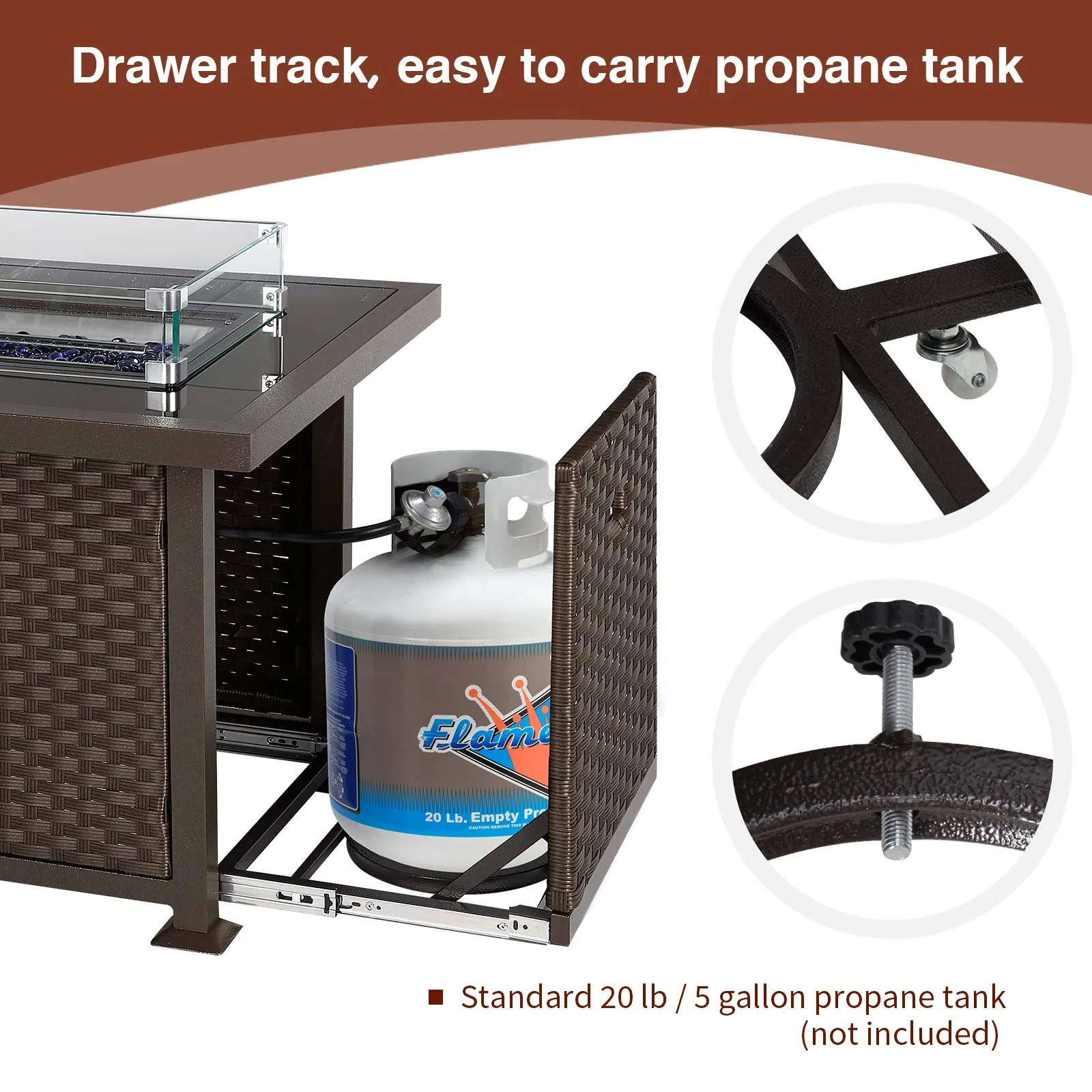
What You’ll Learn
This guide shows retail buyers how to decide whether a wind guard and a burner cover belong with a specific gas fire pit model. You will learn which product references to request, how to keep an accessory SKU tied to the right production revision, and when a product photo is not enough evidence. The result is a clearer buying decision before retail content, packaging, or replenishment orders are approved.
A gas fire pit wind guard and burner cover compatibility checklist for retail buyers should begin with the controlled product record, not the outside dimensions of a table shown online. A wind guard can relate to the burner area and surrounding construction, while a cover can relate to the usable area, installed components, storage position, and finish. Similar-looking tables can still require different accessory references.
Start with the fire pits product category to identify the commercial family you are sourcing. A category page is useful for product discovery, but it is not an engineering drawing, accessory confirmation, or statement that one guard or cover fits every model.
Why Compatibility Starts at the Burner Area, Not the Table Photo
Retail teams often receive a request for “the matching wind guard” or “the cover for this fire pit.” Treat those phrases as the start of a review, not as a product specification. Ask for the exact product model or supplier reference, the drawing or approved sample revision, the target market, and the intended accessory reference. Record whether the buyer means a guard around the flame area, a cover used when the appliance is off, or both.
The burner pan cutout drawing checklist covers a related but different question: how the burner pan relates to the supporting surface. It can help a buyer identify the correct product configuration, but it does not approve a wind guard or burner cover. The accessory decision needs its own model-specific evidence.
Build a Model-to-Accessory Matrix
Create a simple matrix before assigning retail SKUs. Each row should contain the product reference, product revision, intended market, accessory reference, accessory revision, evidence received, and approval status. Add a clear “not confirmed” status when the supplier has not supplied an applicable record. This is more useful than copying a generic accessory name into a purchase order.
Keep product and accessory revisions together
A product revision can change the burner-area arrangement, surrounding panel geometry, attachment approach, finish, or retail package. Any such change may affect whether an existing accessory remains applicable. When a buyer receives a revised drawing, sample, artwork file, or bill of materials, compare it with the matrix rather than assuming that the earlier accessory SKU remains valid.
Request evidence that matches the exact project
Useful evidence can include the supplier’s approved drawing, accessory drawing, sample record, product manual, packing information, or signed technical confirmation for the named model. The evidence should identify what it covers. Do not derive fit, clearance, material, safety performance, or weather resistance from a lifestyle image or from another supplier’s listing.
Verify the Accessory Bundle and Its Documentation
Confirm what the retail accessory SKU actually contains. A wind guard might be sold as a set of panels with associated components; a burner cover may have its own handling or storage information. The buyer should ask the supplier to state the included items, product reference, and applicable document revision. If the bundle changes, revise the matrix and the retail copy together.
Use the propane fire pit certification guide as a reminder that product configuration, fuel arrangement, market, and certification scope must be reviewed together. It does not establish the certification status of an accessory or of every model in a product family. Certification questions require the relevant holder, model scope, standard version, date, market, and limitations.
Separate Product Compatibility From Retail Merchandising
A compatible accessory still needs accurate listing content. Product photos, titles, filter values, package copy, and customer-service scripts should use the approved accessory relationship in the matrix. Avoid broad language such as “fits all fire pit tables” unless the supplier’s evidence expressly supports that scope. State the model or collection only when that association has been confirmed.
For assortment planning, the propane versus wood-burning fire pits assortment guide helps buyers separate fuel-format decisions from accessory selection. It cannot determine whether a particular guard or cover is compatible with a particular gas fire pit. Keep the commercial range decision and the technical accessory approval as two linked but distinct records.
Escalate Changes That Affect the Controlled Configuration
Set a release rule: pause accessory content and purchase approval when the product reference, burner-area drawing, product revision, package contents, intended market, or accessory reference changes. Ask for an updated record and compare it against the matrix. This does not mean every change makes an accessory unsuitable. It means the buyer has a documented way to decide before a mismatch reaches a retailer or consumer.
General U.S. technical context also deserves care. The U.S. Consumer Product Safety Commission describes its work with voluntary-standard organizations on LP-gas appliances, including outdoor decorative gas appliances. A 2025 CPSC-hosted technical-subcommittee meeting record discusses wind-guard applications, but it is not a universal fit chart or a substitute for a model-specific compliance review.
Retail Buyer Review Checklist
Use this gas fire pit wind guard and burner cover compatibility checklist for retail buyers before releasing a retail accessory SKU:
- Identify the exact fire pit model, approved revision, target market, and intended accessory.
- Separate a wind guard request from a burner-cover request; they may not have the same scope.
- Build a model-to-accessory matrix with confirmed, open, and superseded records.
- Request drawings, sample records, manuals, packing information, or technical confirmations that name the project.
- Check that retail images, titles, filter values, and package copy match the approved relationship.
- Reopen the review whenever the controlled product or accessory reference changes.
- Keep unverified clearance, performance, material, and certification claims out of the retail listing.
Frequently Asked Questions
Can a buyer select a wind guard from the outer table size?
No. Outer table size alone does not establish the burner-area relationship, product revision, or accessory scope. Use the exact model-specific records supplied for the project.
Can a retailer use one accessory description for several similar products?
Only after the model-to-accessory matrix and supporting project records confirm the scope. Similar appearance is not confirmation of interchangeability.
Does this checklist certify a fire pit or accessory?
No. It is a procurement-control workflow. Certification and regulatory questions need the relevant certificate holder, model range, standard version, date, market, and stated limitations.
Bring the Right Records to Your OEM Review
Send AO YUE the product reference, target market, requested accessory type, private-label requirements, and the documents already received. That gives the project team a precise starting point for a model-specific discussion without turning assumptions into product claims.
This gas fire pit wind guard and burner cover compatibility checklist for retail buyers helps control an accessory decision. It does not confirm that any particular guard, cover, product model, safety characteristic, certification, or market application is applicable without traceable project evidence.
Discuss a Fire Pit Accessory Project
Share your product reference, target market, accessory request, and available drawings for a model-specific OEM discussion.
Source and Scope Note
Sources reviewed on 22 October 2026: the CPSC LP Gas Appliances overview and the CPSC-hosted 2025 CSA Outdoor Decorative Gas Appliances technical-subcommittee record. They provide general U.S. context only. They do not establish the design, fit, compliance, or accessory scope of any AO YUE product.
