Propane vs. Wood-Burning Fire Pits: An Assortment Planning Guide for Outdoor Retailers

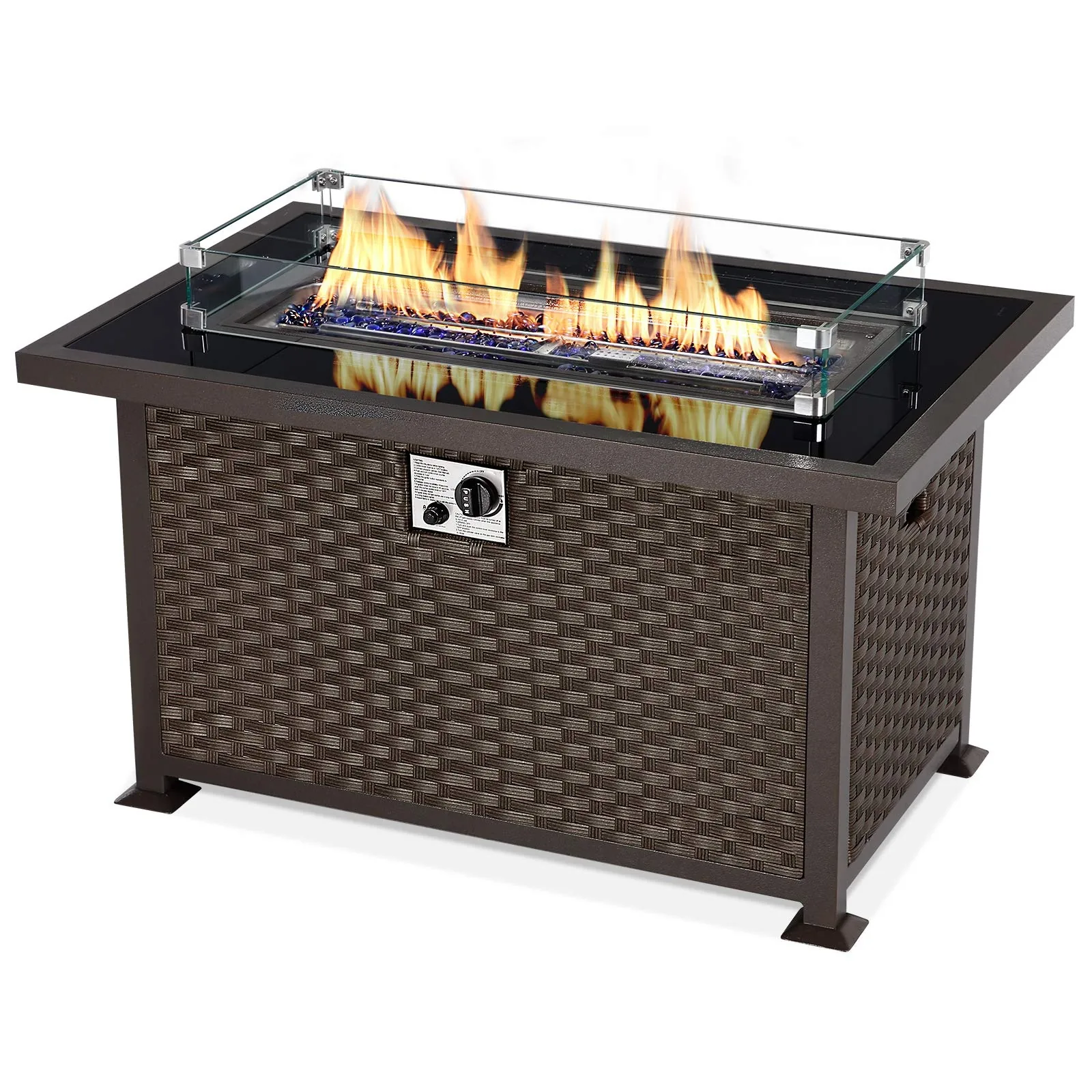
Propane vs wood burning fire pits is an assortment decision, not a simple feature comparison. The two fuel types can support different customer occasions, store conversations and after-sales workflows. A range that fits a patio retailer in one region may be unsuitable for a camping-focused customer base or a market with local restrictions on open burning.
This guide helps distributors, retailers and private-label buyers frame that choice before requesting OEM quotations. It does not claim that either fuel type is permitted in every location, suitable for every installation or available in every AO YUE configuration. The exact model, destination requirements and final order documents must be reviewed before a purchase order.
Begin with AO YUE’s fire pits product category, then turn the initial product review into a written buyer brief. A catalogue image is not a complete specification or a substitute for model-specific documents.
Start With Customer Use Cases
Retail buyers should first define what their customers expect a fire feature to do. A propane-led position may suit customers who value a controlled start-and-stop experience for outdoor entertaining. A wood-burning position may suit customers who are deliberately seeking a campfire-style experience and accept fuel handling, ash and a more involved setup. These are assortment roles, not universal product promises.
Write down the intended use, selling channel and likely customer question for every planned SKU. That step prevents a range from becoming a collection of visually similar products with unclear roles.
Use Local Rules as an Early Filter
Do not use a blanket statement that propane is always allowed or that wood burning is always restricted. Municipal rules, burn bans, property rules and retail-channel requirements can differ. Before selecting a fuel mix, buyers should ask local distributors or qualified market advisers what restrictions need to be checked for the intended sales area.
This matters in a propane vs wood burning fire pits comparison because two products can face different practical constraints in the same city. A safe sales message is simple: the permitted use of a product is not inferred from its fuel type alone, and the end user must follow the applicable local and product instructions.
Compare Retail Operations, Not Just Appearance
Plan for customer support
Fuel, residue, cleaning, storage, covers and replacement components can all shape support requests. Map those questions before the first order. This does not mean that one fuel type is automatically lower maintenance. It means the retailer should understand the support process that comes with the range position it chooses.
The same principle appears in AO YUE’s BBQ grill spare parts planning guide: identify replacement parts, product records and escalation routes before a customer complaint makes those gaps expensive.
Match the range to the sales channel
Ask whether the assortment will be sold through a showroom, e-commerce warehouse, dealer network or a mixed channel. The answer changes the product information, carton-handling review and staff training required. When actual carton details are available, the container loading plan guide can support a model-specific shipping review.
Build a Clear Fuel Strategy
A focused range can simplify merchandising and after-sales processes. A two-fuel range can also work when the retailer serves genuinely different customer settings. The decision should be documented: what role will the item play, which customer problem does it answer, and what information will the sales team need to give accurately?
When discussing propane vs wood burning fire pits, do not turn general preferences into claims about an individual model. Do not describe a model as smokeless, permitted during a burn ban, suitable for a deck or compatible with a specific fuel arrangement unless the exact product documentation and local conditions support it.
Brief Suppliers With the Same Decision Sheet
Give every supplier the same brief: intended market, customer segment, fuel type, product form, selling channel, planned accessories, packaging needs and required documentation. Mark open questions clearly. Comparable inputs make it easier to identify a quotation that does not match the planned assortment role.
For propane products, request documents for the exact model and intended market. A certificate image is not proof that every similar product or configuration is covered. AO YUE’s propane fire pit certification checklist explains the necessary checks: certificate holder, model scope, standard, date and destination market.
Validate the Customer Story Before Bulk Production
A sample review should test more than appearance. Check whether the assembled product, instructions, retail packaging and expected customer questions match the planned assortment role. If the product story changes during sampling, update the approved record before bulk production.
Keep the sample result, product reference, market notes and support plan together. This gives purchasing, sales and service teams one evidence trail instead of relying on informal memory.
Five Questions Before Adding a Fire Pit
- Which customer setting and use case is this product intended to serve?
- Which local restrictions or channel rules need verification before sale?
- What support questions will the retail team need to answer?
- Does the supplier identify the exact model and intended market?
- Does the item have a defined range role rather than merely looking similar to another SKU?
These questions make propane vs wood burning fire pits a repeatable range-planning discussion. They do not replace legal advice, safety instructions or model-specific verification.
Planning a Fire Pit Range?
Share your target market, customer channel, product reference and expected order scope with AO YUE. The team can identify the information needed for a model-specific OEM discussion.
Frequently Asked Questions
Should a retailer stock both propane and wood-burning fire pits?
Only when the buyer can identify distinct customer settings or range roles for both. A dual-fuel range should be justified by the target market and support capability, not by the idea that more fuel types are automatically better.
Can a retailer advertise one fuel type as allowed during every burn restriction?
No. Restrictions vary by jurisdiction, property and current conditions. Verify the applicable local rules and avoid universal claims.
Does a propane fire pit certificate apply to every similar product?
No. Confirm the certificate holder, product or model scope, standard, date and market against the actual product being sourced.
Source and Scope Note
Research was checked on 10 September 2026 using Google Trends comparison queries, retailer buyer guides and relevant standards or safety sources. Trend signals are relative and were not treated as search volume. This is a procurement planning guide, not legal, safety or certification advice. Local restrictions and product suitability must be confirmed for the exact model and destination.
Use propane vs wood burning fire pits as a range-planning framework, not as a substitute for model-specific verification.
